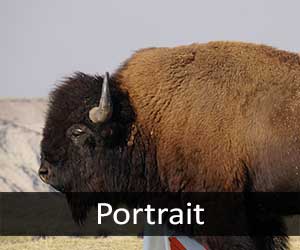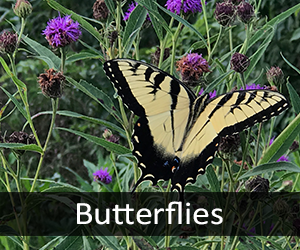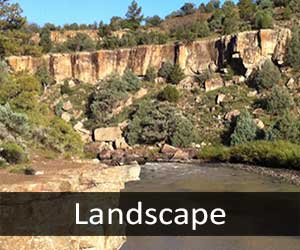
Shop By Category

Do your shopping by using our category options. Flyline Images will be uploading lots of new images in the coming months. Once you find the images you like, you can add them to your shopping cart, then complete your purchase using the secure PayPal payment gateway. The PayPal gateway will allow you to charge your purchase directly to your PayPal account, or check-out using a debit or credit card. The gateway supports American Express, Visa, Mastercard and Discover.

To make a purchase log into an existing account. If you don’t already have an account, please register via the link below. 
  • The Indian paintbrush, known scientifically as Castilleja, is a vibrant wildflower that populates many regions, including New Mexico.
  • Grocery Store On The Jicarilla Apache Reservation
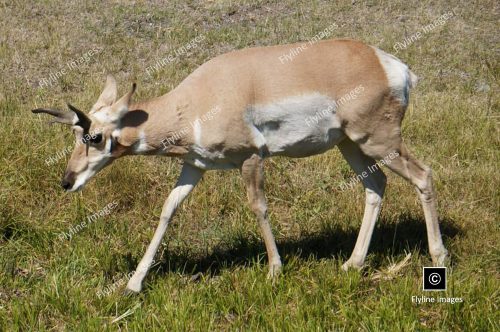
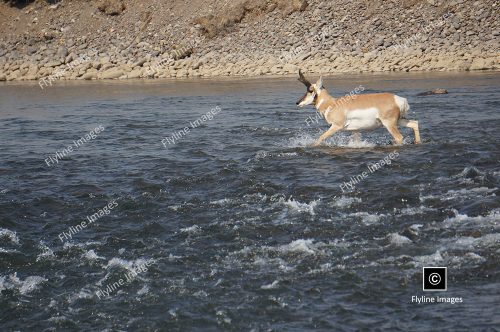
  • Yellowstone National Park Antelope
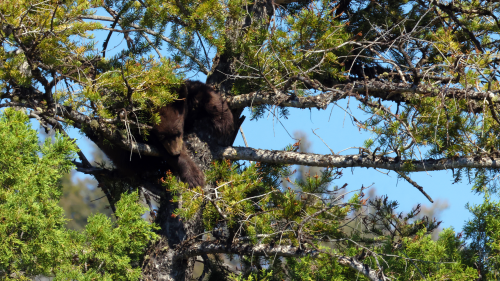
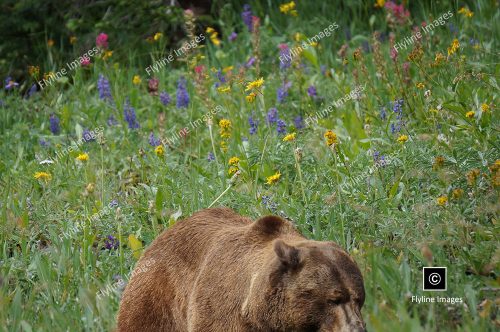
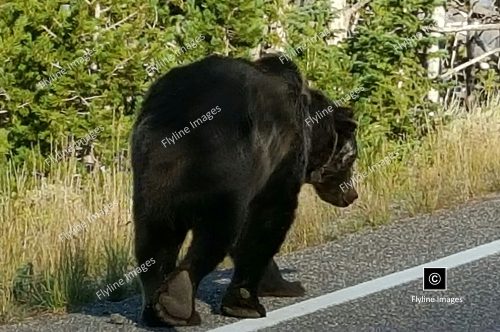
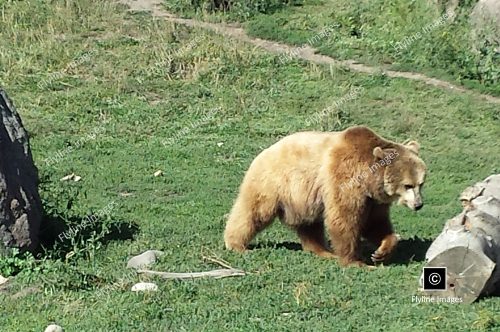
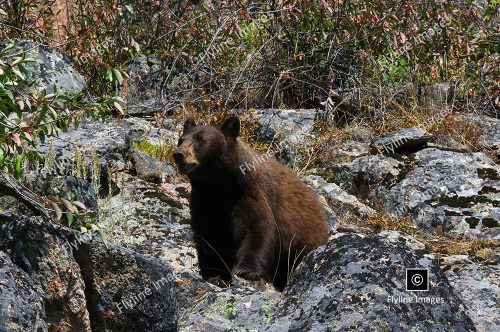
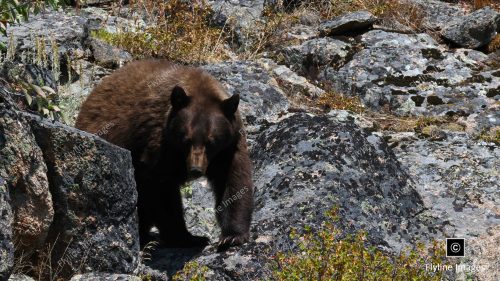
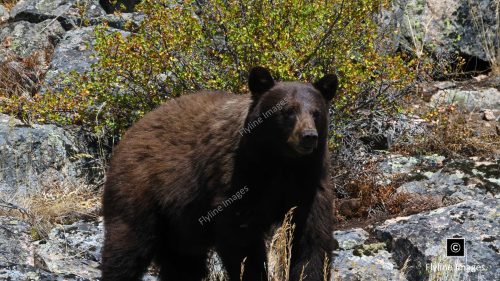
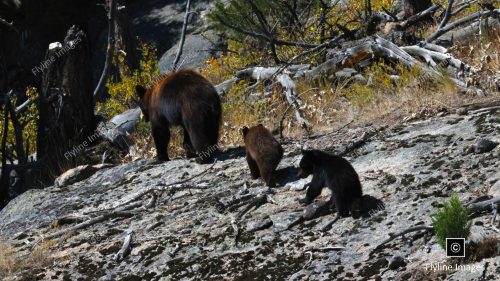
  • It is a surprisingly common point of confusion for visitors to Yellowstone: you see a brown bear, call it a "Brown Bear" (Grizzly), and then a ranger corrects you. In Yellowstone, color is actually one of the least reliable ways to identify a bear. Here is the breakdown of why they look the way they do and why they spend so much time in the trees.
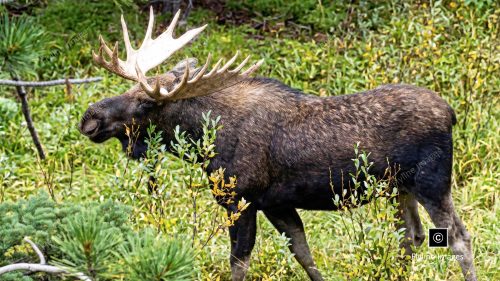
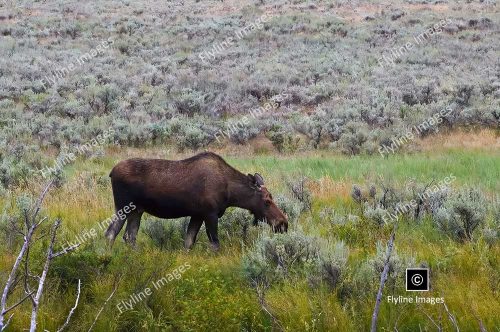
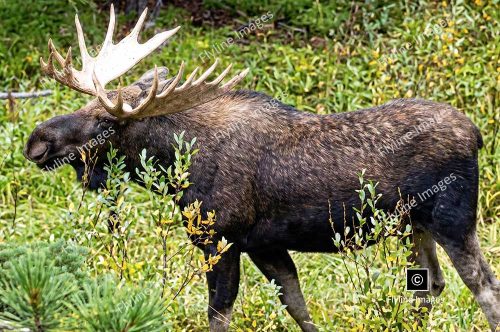
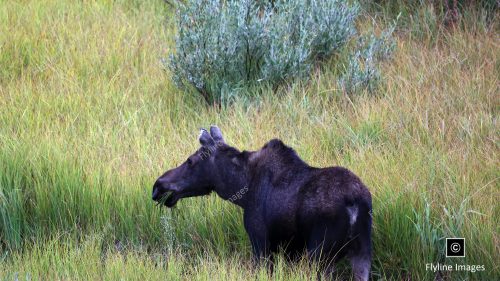
  • Spotted this moose while driving between the Canyon Village and Mount Washburn areas. Lucky find. Moose are generally solitary, elusive, and relatively rare within the park, with a population estimated at fewer than 200 individuals.
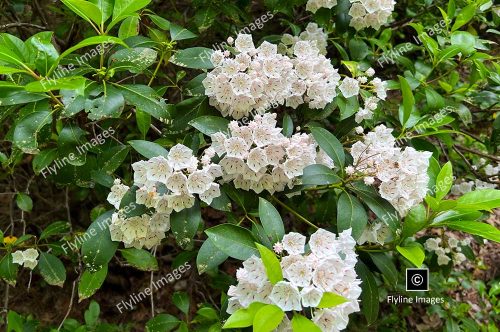
  • Mountain laurel, scientifically known as Kalmia latifolia, is an evergreen shrub admired for its stunning beauty and resilience. Native to the eastern United States, particularly thriving in the Appalachian Mountains.
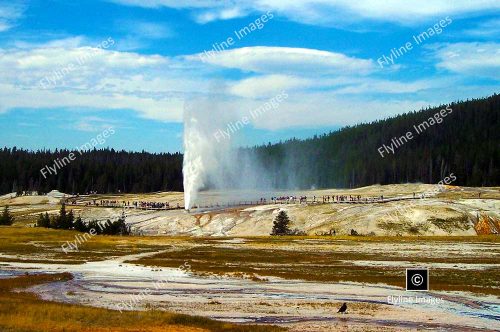
  • Beehive Geyser, located in Yellowstone National Park, is renowned for its powerful eruptions and distinctive shape that resembles a beehive. Unlike many geysers in the park, Beehive Geyser does not have a predictable schedule, but its eruptions are an extraordinary natural spectacle, soaring up to 200 feet high and lasting around 5 minutes.
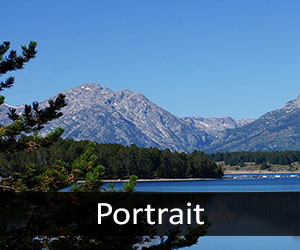
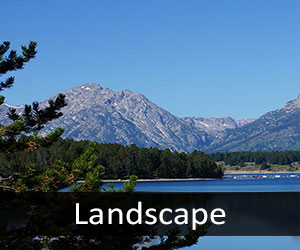
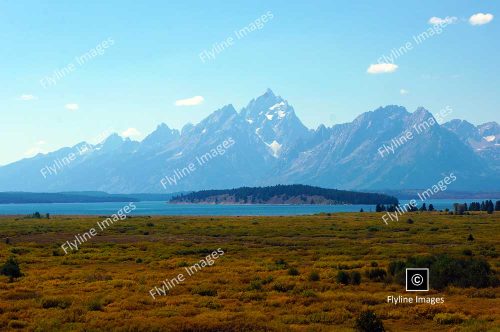
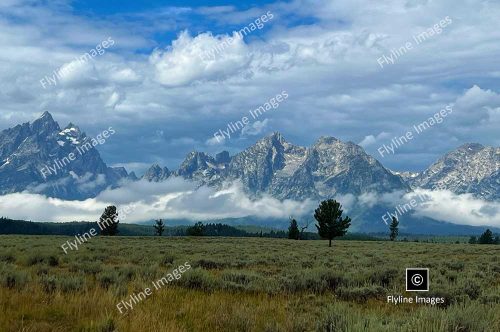
  • The Grand Teton Mountains, located in northwestern Wyoming, are a stunning range known for their sharp peaks and breathtaking vistas.
  • The Grand Teton Mountains, located in northwestern Wyoming, are a stunning range known for their sharp peaks and breathtaking vistas.
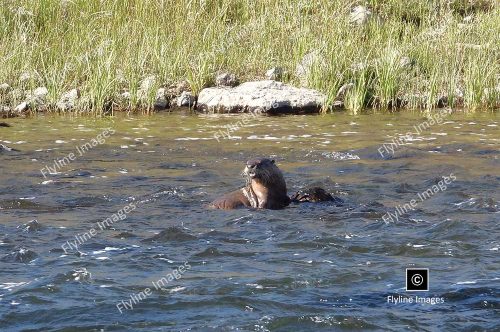
  • River Otters - Yellowstone National Park
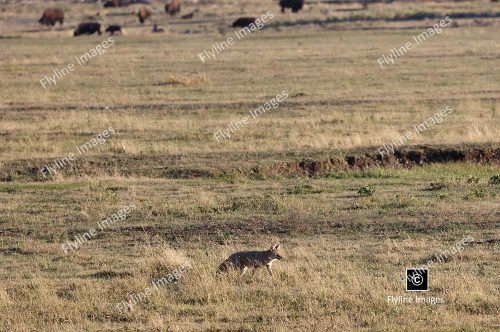
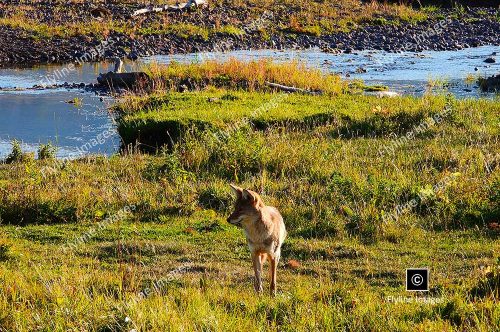
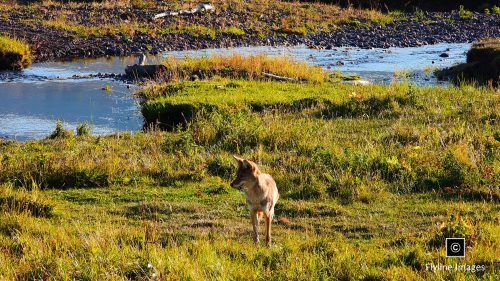
  • Coyotes in Lamar Valley display a diverse diet, adapting to the available resources in their environment.
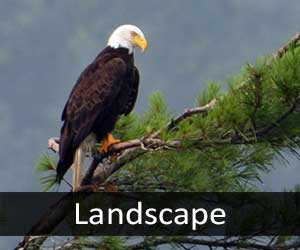
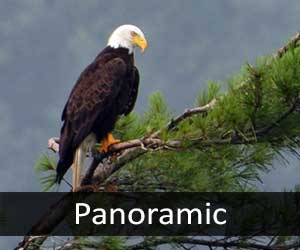
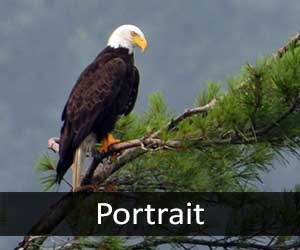
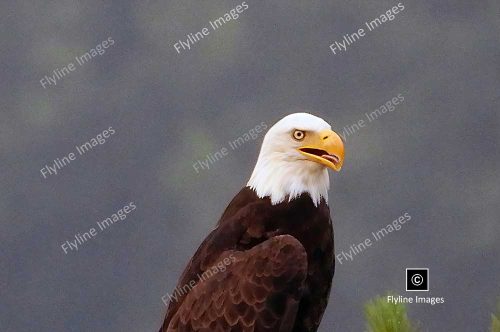
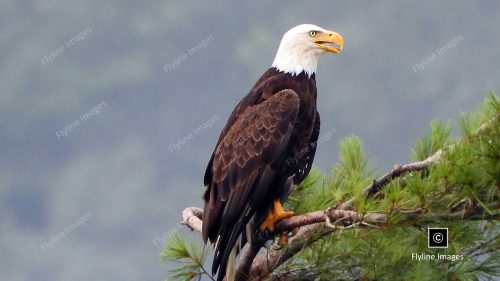
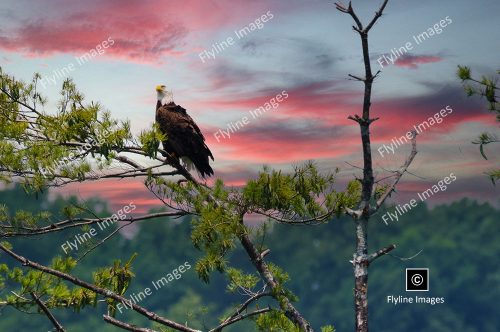
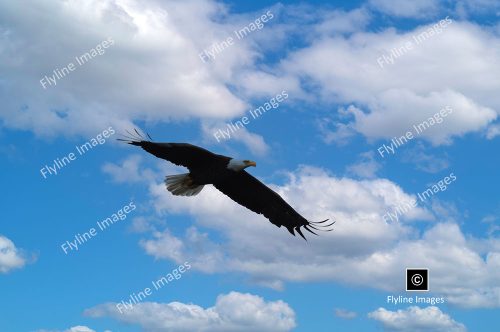
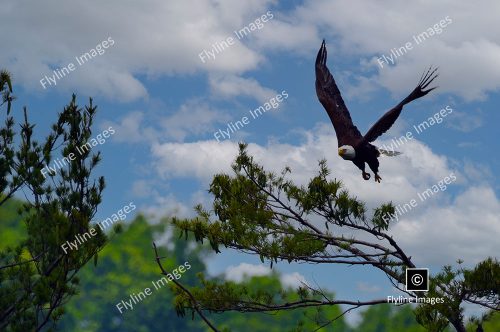
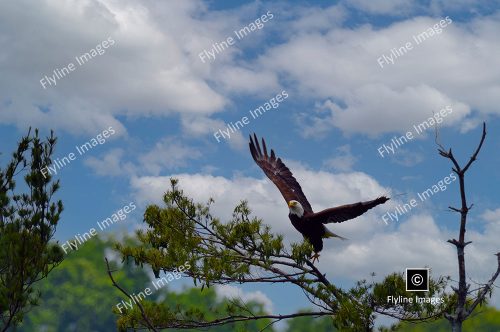
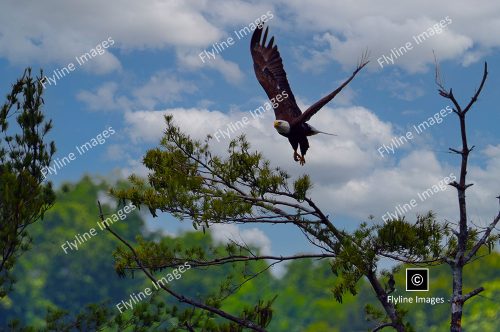
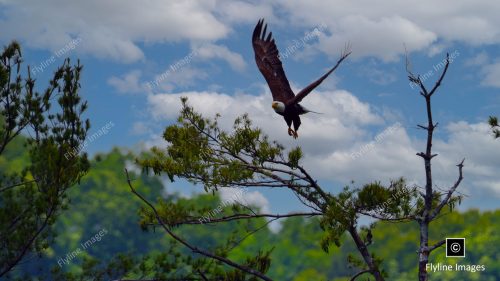
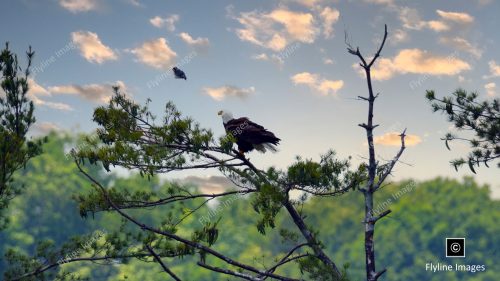
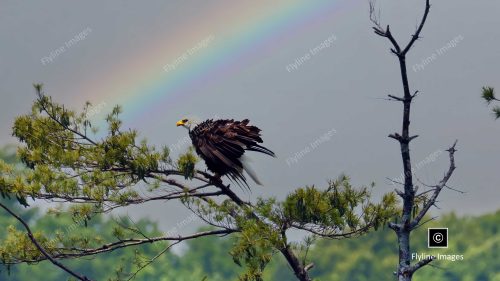
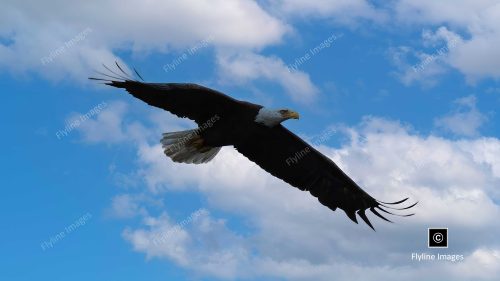
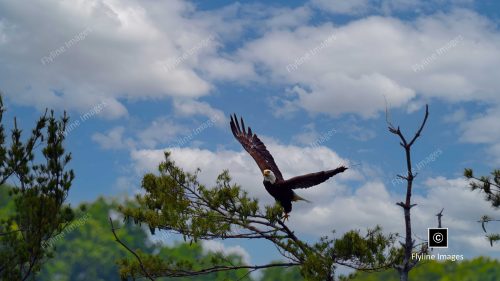
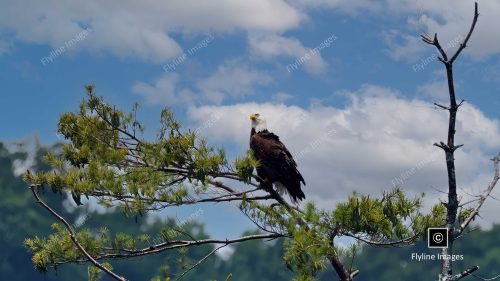
  • Bald Eagle In Big Canoe Georgia
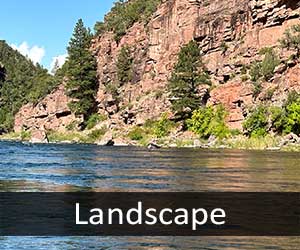
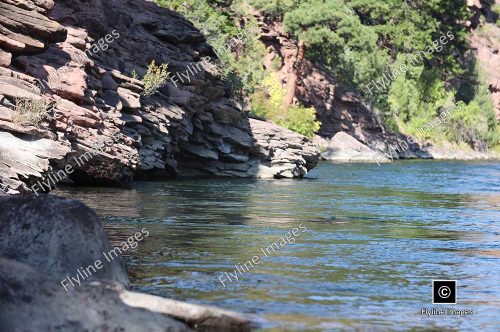
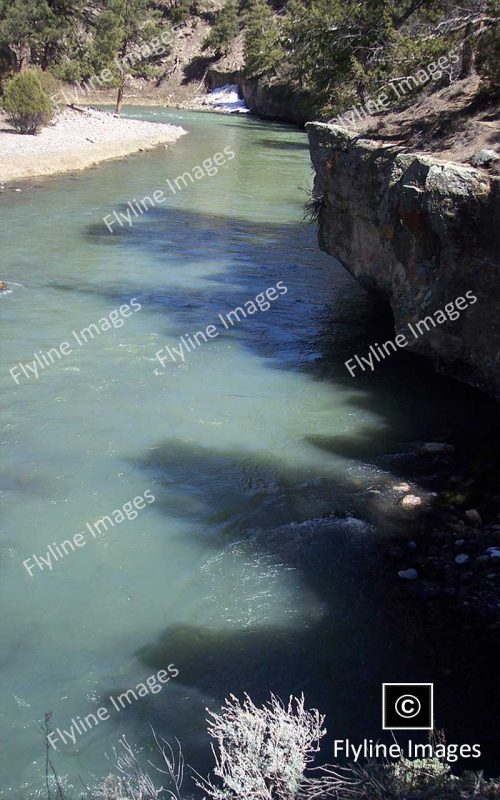
  • Green River Below Flaming Gorge Dam In Utah
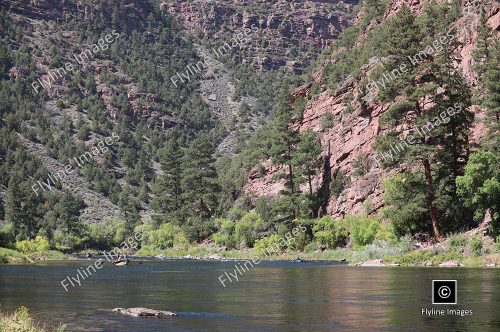
  • Green River Below Flaming Gorge Dam In Utah
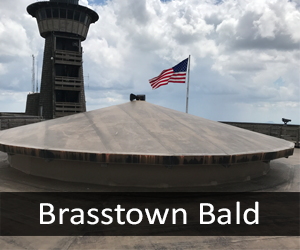
  • USA Flag Flying Over Brasstown Bald National Park
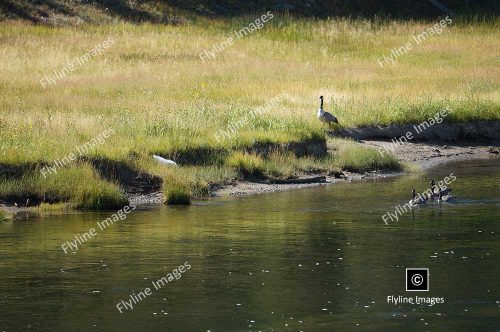
  • Canadian Geese Feeding Along The Banks Of The Madison River
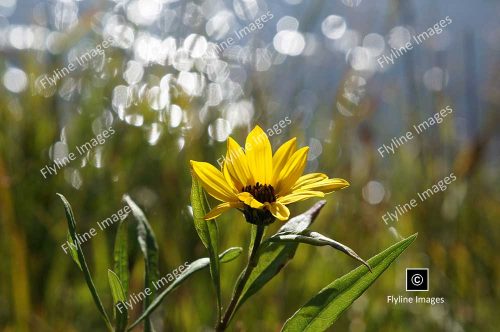
  • Gorgeous Swamp Sunflower In Yellowstone National Park
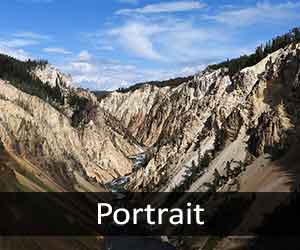
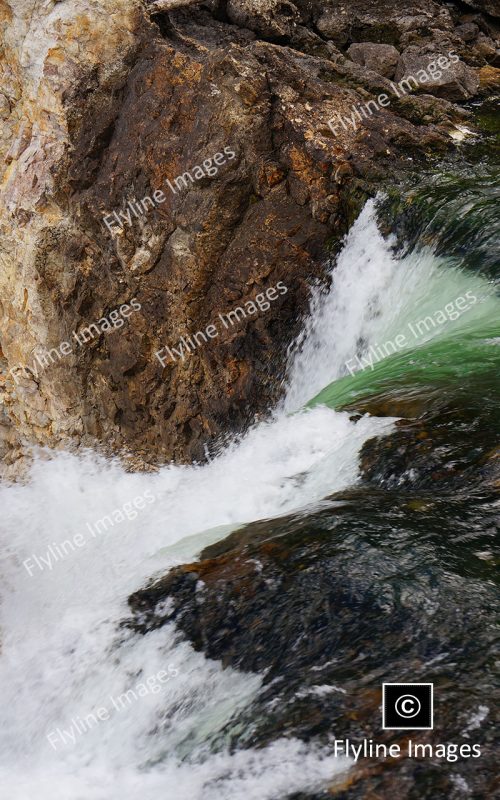
  • Beautiful Yellowstone River Water Fall
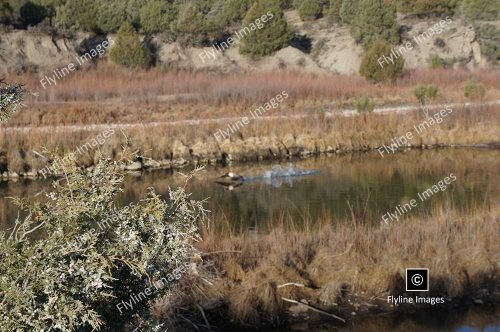
  • Goose Taking Flight From A Pond Along The Chama River
  • The Chama River, Upstream From El Vado Ranch
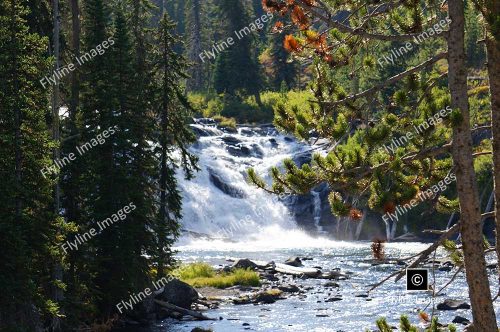
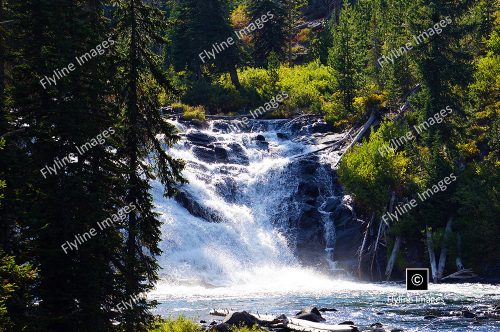
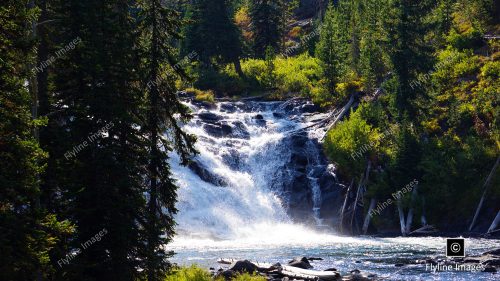
  • The Beautiful Lewis Falls on the Snake River
  • Chama River Downstream Of El Vado Ranch
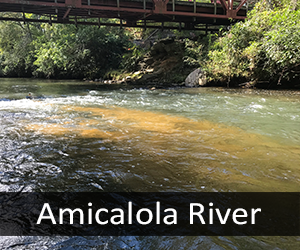
  • The Amicalola River is a scenic waterway that flows through the lush landscapes near the Dawson County Forest in Georgia. Known for its natural beauty, the river offers a tranquil escape for visitors seeking outdoor adventures.
  • The Amicalola River is a scenic waterway that flows through the lush landscapes near the Dawson County Forest in Georgia. Known for its natural beauty, the river offers a tranquil escape for visitors seeking outdoor adventures. The river's name, derived from a Cherokee word meaning "tumbling waters," aptly describes the flowing waters that course over rocky shoals and gentle rapids.
  • The Amicalola River is a scenic waterway that flows through the lush landscapes near the Dawson County Forest in Georgia. Known for its natural beauty, the river offers a tranquil escape for visitors seeking outdoor adventures. The river's name, derived from a Cherokee word meaning "tumbling waters," aptly describes the flowing waters that course over rocky shoals and gentle rapids.
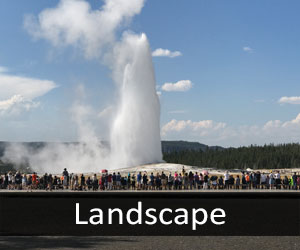
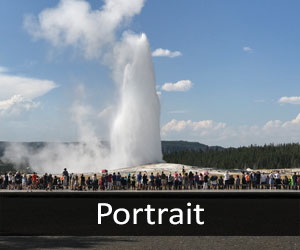
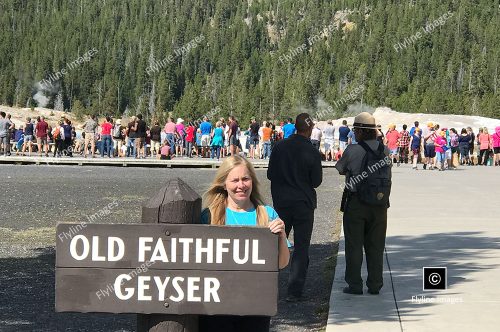
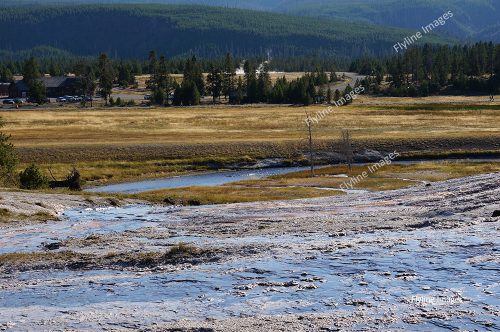
  • Geysers in the Upper Geyser Basin
  • Elk 22

    $5.00
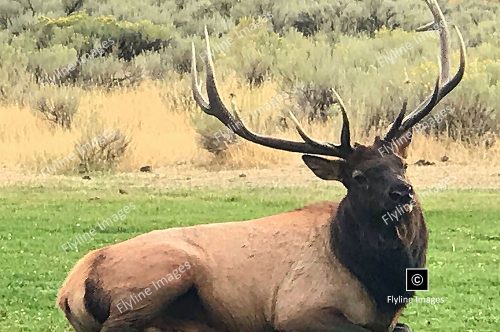
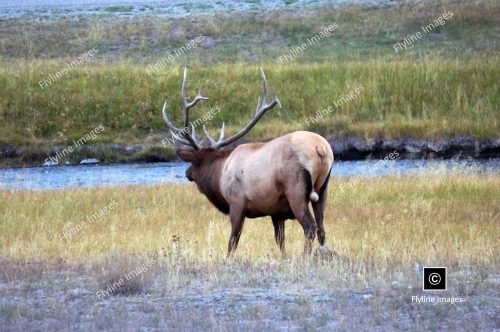
    Bull Elk Mammoth Springs Yellowstone National Park
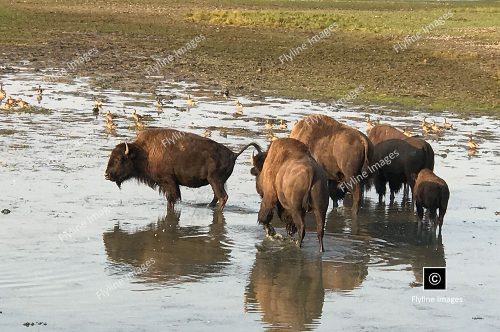
  • Hayden Valley Buffalo Herd
  • Lamar Valley in Yellowstone National Park is renowned for its breathtaking landscapes and rich wildlife, including the impressive antelope herds.
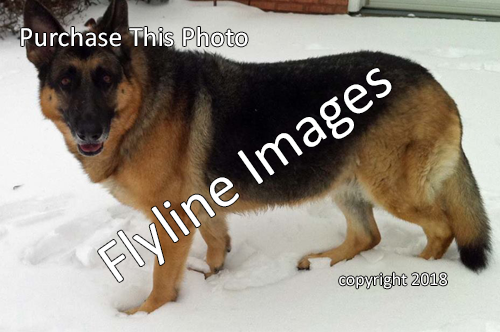
  • German Shepard playing in the snow.
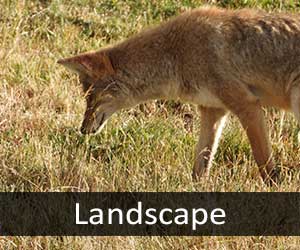
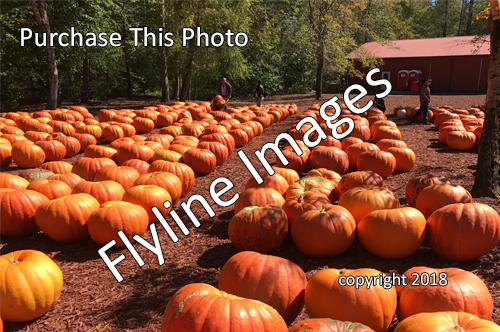
  • The best selection of Halloween Pumpkins and Fall Decorations in North Georgia.

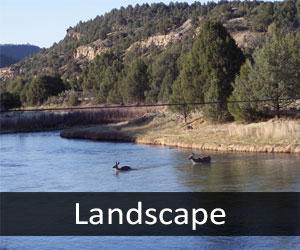
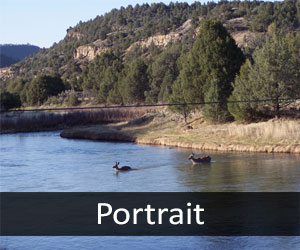
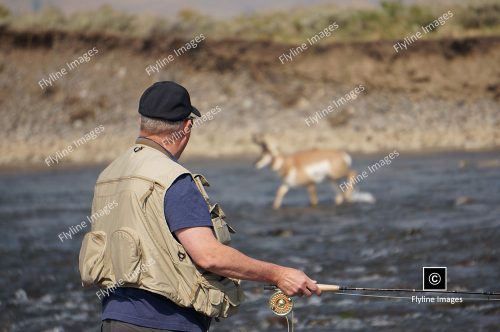
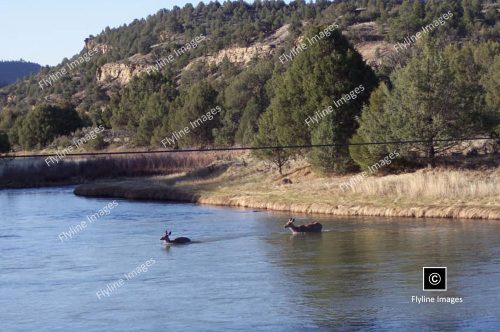
  • Deer swimming across the Chama river in northern New Mexico.
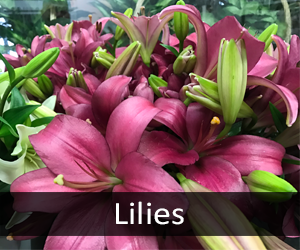
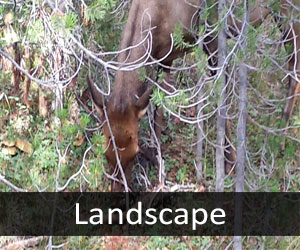
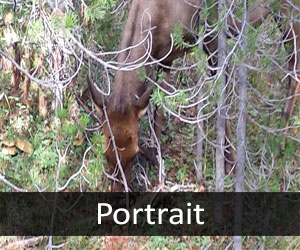
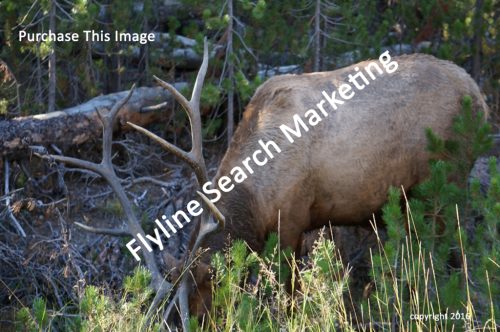
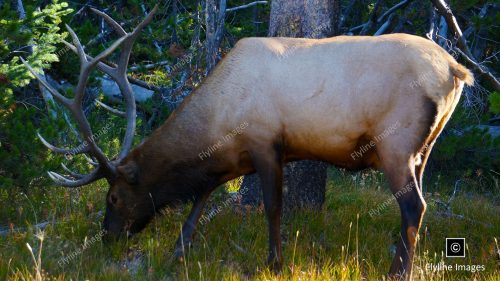
  • Yellowstone Bull Elk feeding in the morning.
  • Purchase this photo for your use. The photo was taken by Flyline Search Marketing in Yellowstone National Park, in 2013. This majestic bull Elk was feeding early in the morning along the Gibbon River, not far from the Geyser Basin. When you purchase this photo, you will be granted access to download the image. We have provided 3 image size options, Large 4000 x 2500, Medium 2000 x 1250 and Small 1000 x 625.
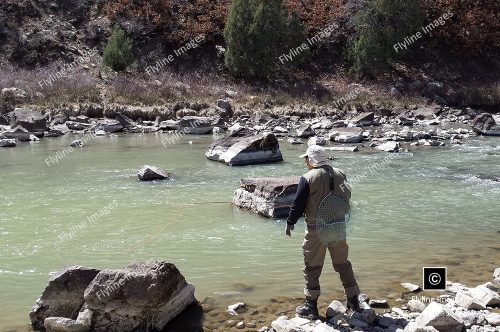
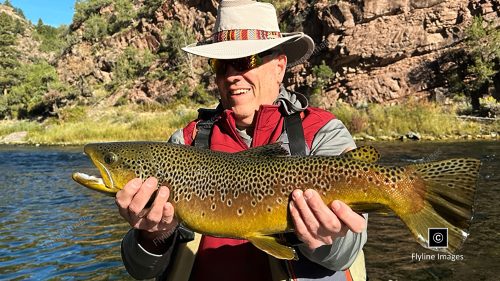
  • Caught this gorgeous 25 inch, 6.5 pound brown trout while fly fishing on the Green River in Utah. The Flaming Gorge Reservoir, located in the northeastern part of Utah and extending into Wyoming, is a stunning body of water created by the Flaming Gorge Dam. The dam, completed in 1964, stands at an impressive height of 502 feet on the Green River, and its primary purpose is hydroelectric power generation, flood control, and irrigation.
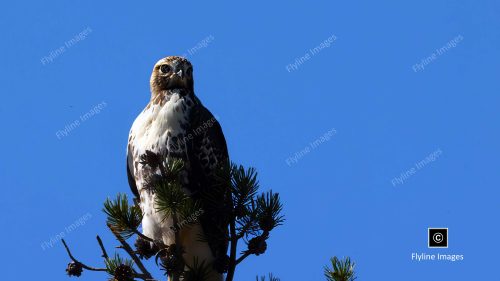
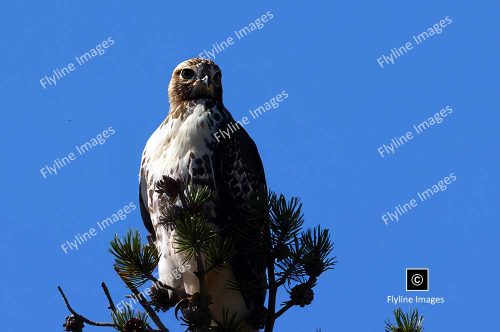
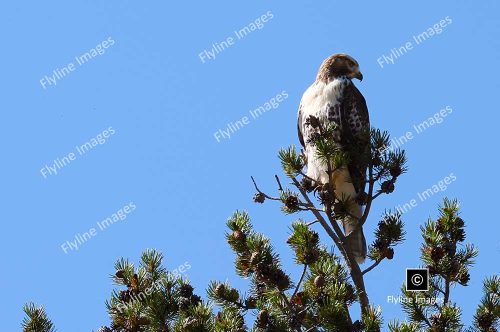
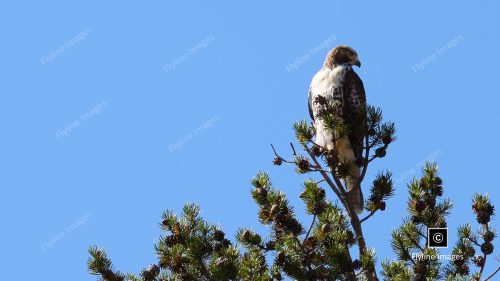
  • Red-tailed Hawks (Buteo jamaicensis) are indeed stunning birds and one of the most common and visible raptors you will see in Yellowstone National Park. They are often spotted soaring in wide circles over open fields or perched on high tree limbs scanning for prey.
  • Red-tailed Hawks (Buteo jamaicensis) are indeed stunning birds and one of the most common and visible raptors you will see in Yellowstone National Park. They are often spotted soaring in wide circles over open fields or perched on high tree limbs scanning for prey.
  • Red-tailed Hawks (Buteo jamaicensis) are indeed stunning birds and one of the most common and visible raptors you will see in Yellowstone National Park. They are often spotted soaring in wide circles over open fields or perched on high tree limbs scanning for prey.
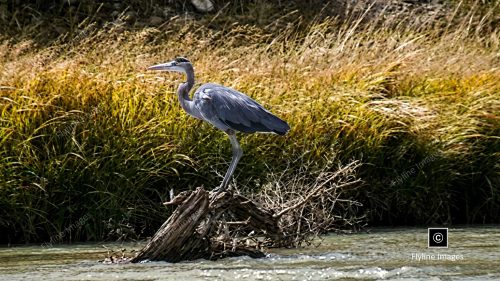
  • Seeing a Great Blue Heron—usually a solitary, prehistoric-looking silhouette—standing patiently on the banks of the Rio Chama is a quintessential Northern New Mexico experience.
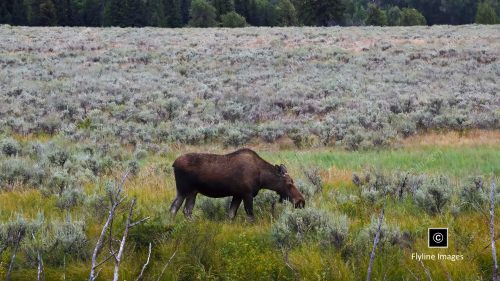
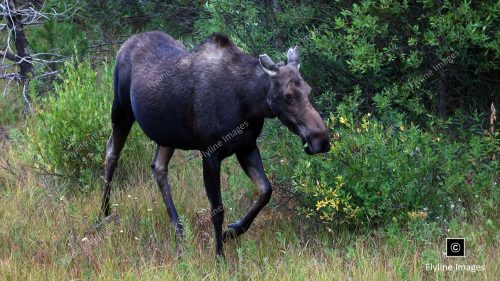
  • The Moose-Wilson Road in Grand Teton National Park is arguably the single best corridor in the park—and perhaps the entire Lower 48—for reliable, close-range moose sightings. The dense habitat creates an intimate viewing experience that is quite different from the wide-open sagebrush flats of Antelope Flats or the Gros Ventre.
  • Spotted this moose while driving between the Canyon Village and Mount Washburn areas. Lucky find. Moose are generally solitary, elusive, and relatively rare within the park, with a population estimated at fewer than 200 individuals.
  • Red-tailed Hawks (Buteo jamaicensis) are indeed stunning birds and one of the most common and visible raptors you will see in Yellowstone National Park. They are often spotted soaring in wide circles over open fields or perched on high tree limbs scanning for prey.
  • The moose population in Grand Teton National Park is one of the park's most iconic wildlife features, offering visitors a unique opportunity to observe these majestic creatures in their natural habitat.
  • The moose population in Grand Teton National Park is one of the park's most iconic wildlife features, offering visitors a unique opportunity to observe these majestic creatures in their natural habitat.
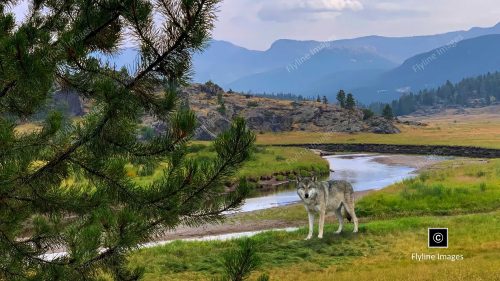
  • While you might expect the Gray Wolf to be the default, Yellowstone's wolf population is actually split almost 50/50 between gray and black wolves.
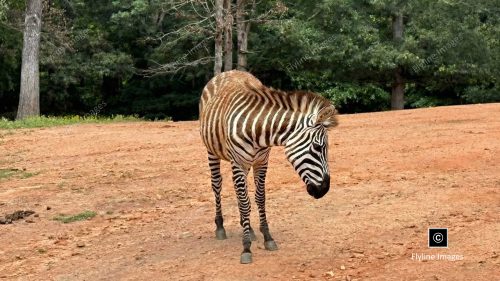
  • The Plains Zebra (Equus quagga), also known as the Common Zebra, is the most widespread and abundant of the three zebra species. It is the quintessential animal of the African savanna, famous for its bold stripes and massive migrations.
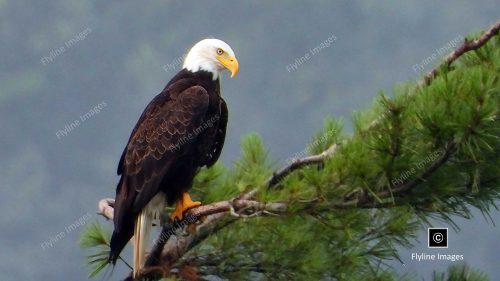
  • In the serene and lush surroundings of Big Canoe, Georgia, eagles have found a majestic haven for nesting. These majestic birds, symbolizing strength and freedom, select towering trees and high cliffs around the area’s lakes to build their nests.
  • In the serene and lush surroundings of Big Canoe, Georgia, eagles have found a majestic haven for nesting. These majestic birds, symbolizing strength and freedom, select towering trees and high cliffs around the area’s lakes to build their nests.
  • In the serene and lush surroundings of Big Canoe, Georgia, eagles have found a majestic haven for nesting. These majestic birds, symbolizing strength and freedom, select towering trees and high cliffs around the area’s lakes to build their nests.
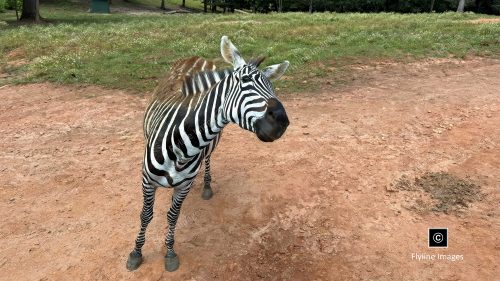
  • The Plains Zebra (Equus quagga), also known as the Common Zebra, is the most widespread and abundant of the three zebra species. It is the quintessential animal of the African savanna, famous for its bold stripes and massive migrations.
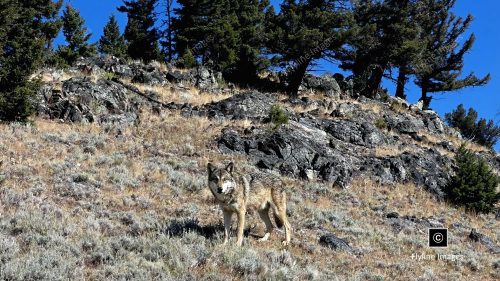
  • While you might expect the Gray Wolf to be the default, Yellowstone's wolf population is actually split almost 50/50 between gray and black wolves.
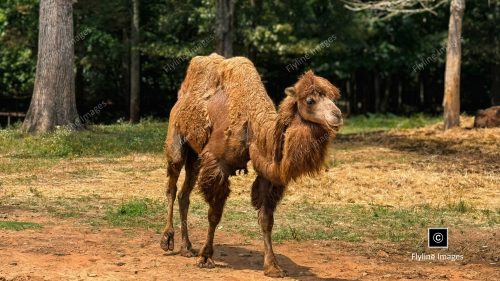
  • The wild Bactrian camel is actually critically endangered, with only about 1,000 left in the wild in Mongolia and China. Two Humps vs. One: A good way to remember the difference is the letter shape: B for Bactrian (two humps) and D for Dromedary (one hump).
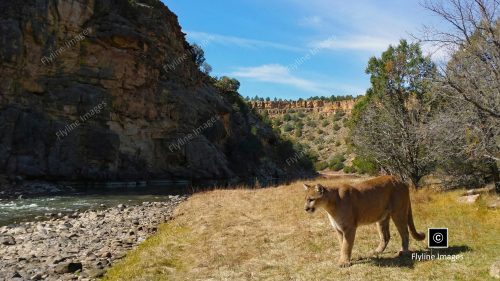
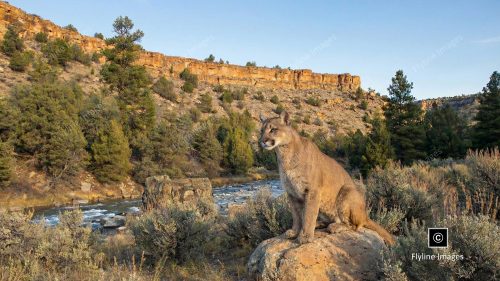
  • The Chama River Wilderness in northern New Mexico is considered prime mountain lion habitat. These large cats (also known as cougars or pumas) are the apex predators of the region and play a critical role in maintaining the ecosystem's balance.
  • The Chama River Wilderness in northern New Mexico is considered prime mountain lion habitat. These large cats (also known as cougars or pumas) are the apex predators of the region and play a critical role in maintaining the ecosystem's balance.
  • The moose population in Grand Teton National Park is one of the park's most iconic wildlife features, offering visitors a unique opportunity to observe these majestic creatures in their natural habitat.
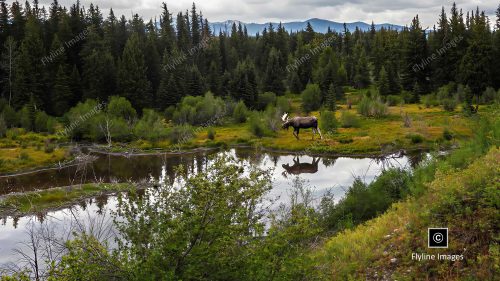
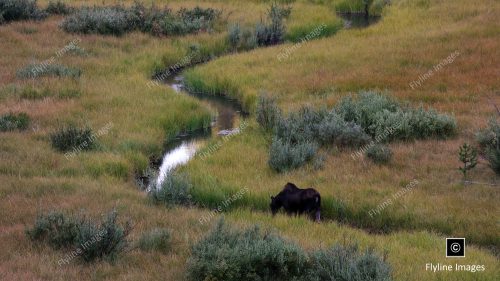
  • Moose are one of the most iconic species found in Grand Teton National Park, drawing the attention of wildlife enthusiasts and photographers alike. Known for their imposing size and distinctive antlers, moose thrive in the diverse habitats of the Tetons, including willow flats, riverbanks, and marshy areas.
  • Moose are one of the most iconic species found in Grand Teton National Park, drawing the attention of wildlife enthusiasts and photographers alike. Known for their imposing size and distinctive antlers, moose thrive in the diverse habitats of the Tetons, including willow flats, riverbanks, and marshy areas.
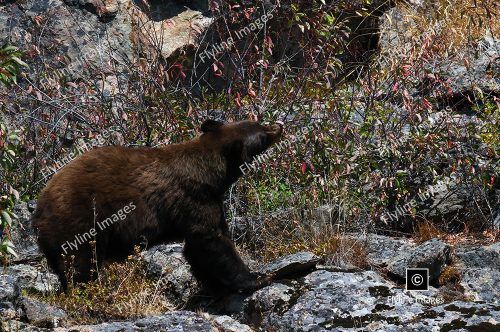
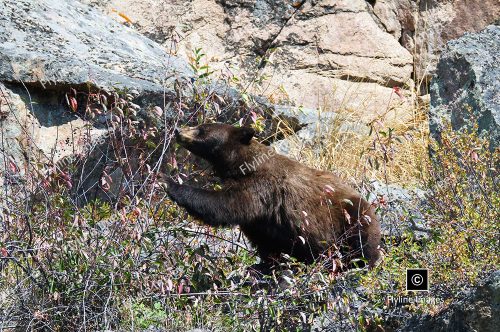
  • A significant component of the black bear pre-hibernation diet consists of energy-rich berries. Among the favored types are serviceberries, chokecherries, and buffaloberries. The presence of black bears foraging on the berry-laden rocky outcrops near the Lamar River is a testament to the intricate ecological relationships within Yellowstone. The health of the berry-producing shrubbery is directly linked to the bears' ability to prepare for winter. This natural drama, set against the stunning backdrop of the Lamar Valley, offers a captivating glimpse into the life and survival strategies of one of Yellowstone's most iconic inhabitants.
  • A significant component of the black bear pre-hibernation diet consists of energy-rich berries. Among the favored types are serviceberries, chokecherries, and buffaloberries.
  • A significant component of the black bear pre-hibernation diet consists of energy-rich berries. Among the favored types are serviceberries, chokecherries, and buffaloberries. The presence of black bears foraging on the berry-laden rocky outcrops near the Lamar River is a testament to the intricate ecological relationships within Yellowstone. The health of the berry-producing shrubbery is directly linked to the bears' ability to prepare for winter. This natural drama, set against the stunning backdrop of the Lamar Valley, offers a captivating glimpse into the life and survival strategies of one of Yellowstone's most iconic inhabitants.
  • The black bear population in Yellowstone National Park is a fascinating aspect of the park's diverse ecosystem. Historically, black bears were one of the most frequently seen animals by visitors. However, sightings have become increasingly rare in recent years.
  • The black bear population in Yellowstone National Park is a fascinating aspect of the park's diverse ecosystem. Historically, black bears were one of the most frequently seen animals by visitors. However, sightings have become increasingly rare in recent years.
  • The black bear population in Yellowstone National Park is a fascinating aspect of the park's diverse ecosystem. Historically, black bears were one of the most frequently seen animals by visitors. However, sightings have become increasingly rare in recent years.
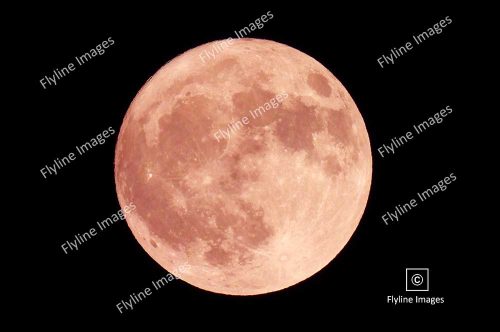
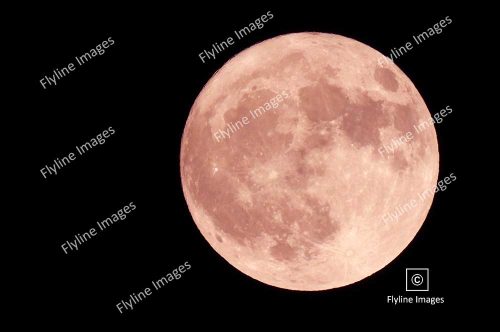
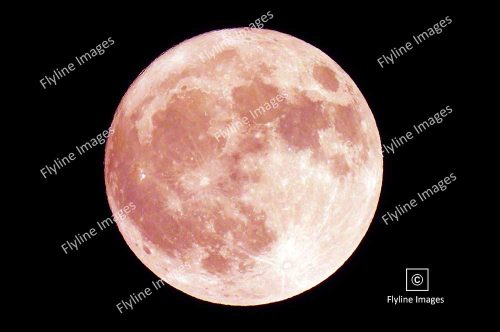
  • The Strawberry Moon is the name given to the full moon that occurs in June. The name originates from Native American and early colonial traditions, as this time of year marks the ripening of wild strawberries, signaling an opportune time for harvesting.
  • The Strawberry Moon is the name given to the full moon that occurs in June. The name originates from Native American and early colonial traditions, as this time of year marks the ripening of wild strawberries, signaling an opportune time for harvesting.
  • The Strawberry Moon is the name given to the full moon that occurs in June. The name originates from Native American and early colonial traditions, as this time of year marks the ripening of wild strawberries, signaling an opportune time for harvesting.
  • Bald Eagle In Big Canoe Georgia
  • Bald Eagle In Big Canoe Georgia
  • Bald Eagle In Big Canoe Georgia
  • Bald Eagle In Big Canoe Georgia
  • Bald Eagle In Big Canoe Georgia
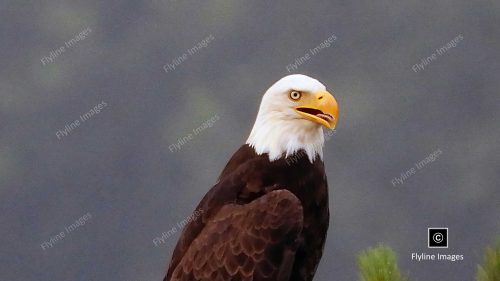
  • Bald eagles, a symbol of strength and freedom in the United States, are majestic birds of prey known for their striking white heads, yellow beaks, and powerful wings. These eagles are often found near large bodies of water because their primary diet consists of fish. Lake Petit in Big Canoe, Georgia, provides an ideal habitat for bald eagles due to its abundant fish population and secluded environment surrounded by densely forested areas. The lake's serene and protected location makes it a safe nesting site for these birds, where they can build their massive nests, often reused and expanded year after year. Visitors to Big Canoe are frequently thrilled by the sight of these incredible birds soaring gracefully or perched high above the lake, embodying the natural beauty of the region.
  • Bald eagles, a symbol of strength and freedom in the United States, are majestic birds of prey known for their striking white heads, yellow beaks, and powerful wings. These eagles are often found near large bodies of water because their primary diet consists of fish. Lake Petit in Big Canoe, Georgia, provides an ideal habitat for bald eagles due to its abundant fish population and secluded environment surrounded by densely forested areas. The lake's serene and protected location makes it a safe nesting site for these birds, where they can build their massive nests, often reused and expanded year after year. Visitors to Big Canoe are frequently thrilled by the sight of these incredible birds soaring gracefully or perched high above the lake, embodying the natural beauty of the region.
  • Bald eagles, a symbol of strength and freedom in the United States, are majestic birds of prey known for their striking white heads, yellow beaks, and powerful wings. These eagles are often found near large bodies of water because their primary diet consists of fish. Lake Petit in Big Canoe, Georgia, provides an ideal habitat for bald eagles due to its abundant fish population and secluded environment surrounded by densely forested areas. The lake's serene and protected location makes it a safe nesting site for these birds, where they can build their massive nests, often reused and expanded year after year. Visitors to Big Canoe are frequently thrilled by the sight of these incredible birds soaring gracefully or perched high above the lake, embodying the natural beauty of the region.
  • Bald eagles, a symbol of strength and freedom in the United States, are majestic birds of prey known for their striking white heads, yellow beaks, and powerful wings. These eagles are often found near large bodies of water because their primary diet consists of fish. Lake Petit in Big Canoe, Georgia, provides an ideal habitat for bald eagles due to its abundant fish population and secluded environment surrounded by densely forested areas. The lake's serene and protected location makes it a safe nesting site for these birds, where they can build their massive nests, often reused and expanded year after year. Visitors to Big Canoe are frequently thrilled by the sight of these incredible birds soaring gracefully or perched high above the lake, embodying the natural beauty of the region.
  • Bald eagles, a symbol of strength and freedom in the United States, are majestic birds of prey known for their striking white heads, yellow beaks, and powerful wings. These eagles are often found near large bodies of water because their primary diet consists of fish. Lake Petit in Big Canoe, Georgia, provides an ideal habitat for bald eagles due to its abundant fish population and secluded environment surrounded by densely forested areas. The lake's serene and protected location makes it a safe nesting site for these birds, where they can build their massive nests, often reused and expanded year after year. Visitors to Big Canoe are frequently thrilled by the sight of these incredible birds soaring gracefully or perched high above the lake, embodying the natural beauty of the region.
  • Bald eagles, a symbol of strength and freedom in the United States, are majestic birds of prey known for their striking white heads, yellow beaks, and powerful wings. These eagles are often found near large bodies of water because their primary diet consists of fish. Lake Petit in Big Canoe, Georgia, provides an ideal habitat for bald eagles due to its abundant fish population and secluded environment surrounded by densely forested areas. The lake's serene and protected location makes it a safe nesting site for these birds, where they can build their massive nests, often reused and expanded year after year. Visitors to Big Canoe are frequently thrilled by the sight of these incredible birds soaring gracefully or perched high above the lake, embodying the natural beauty of the region.
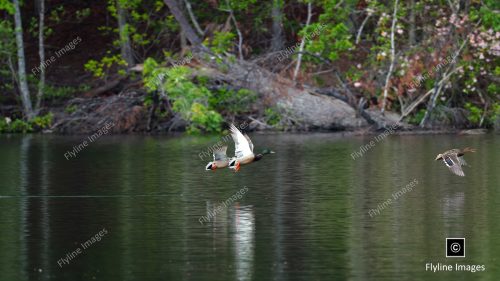
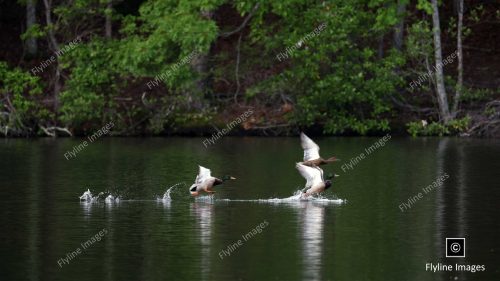
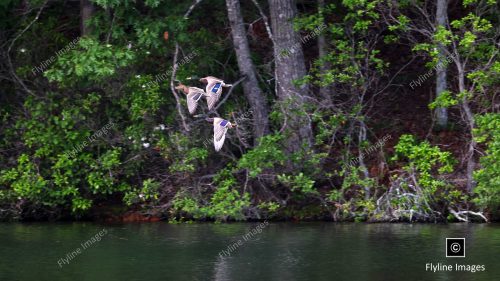
  • This photo was taken in Big Canoe, Georgia. These gorgeous mallard ducks, along with a lone female duck, were feeding and resting while at Lake Petit. Their vibrant colors and calm demeanor perfectly complemented the serene beauty of the lake, creating a peaceful and picturesque scene. The ducks seemed completely at ease and undisturbed by the presence of people, highlighting their adaptability to different environments and their ability to coexist with humans.
  • This photo was taken in Big Canoe, Georgia. These gorgeous mallard ducks, along with a lone female duck, were feeding and resting while at Lake Petit. Their vibrant colors and calm demeanor perfectly complemented the serene beauty of the lake, creating a peaceful and picturesque scene. The ducks seemed completely at ease and undisturbed by the presence of people, highlighting their adaptability to different environments and their ability to coexist with humans.
  • This photo was taken in Big Canoe, Georgia. These gorgeous mallard ducks, along with a lone female duck, were feeding and resting while at Lake Petit. Their vibrant colors and calm demeanor perfectly complemented the serene beauty of the lake, creating a peaceful and picturesque scene. The ducks seemed completely at ease and undisturbed by the presence of people, highlighting their adaptability to different environments and their ability to coexist with humans.
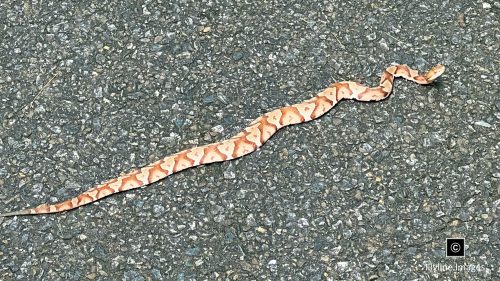
  • Copperhead snakes, known scientifically as Agkistrodon contortrix, are a common sight in the North Georgia mountains. These snakes are highly adaptable, thriving in various habitats such as forests, rocky areas, and even suburban locations. Their prevalence in these mountainous regions is largely due to the abundant cover and food sources available in the varied landscape.
  • This panoramic photo, taken in Yellowstone National Park. The big bull elk in Yellowstone Park are a fascinating and integral part of the ecosystem. These majestic creatures are among the largest members of the deer family, with males (bulls) growing impressive antlers that can span up to four feet across.
  • Lewis Falls, located on the Snake River, is an enchanting natural wonder that captivates visitors with its mesmerizing beauty and tranquil atmosphere. This scenic spot is renowned for its cascading waterfall, which plunges over a series of rugged rocks, creating a spectacle of rushing water and mist.
  • Lewis Falls, located on the Snake River, is an enchanting natural wonder that captivates visitors with its mesmerizing beauty and tranquil atmosphere. This scenic spot is renowned for its cascading waterfall, which plunges over a series of rugged rocks, creating a spectacle of rushing water and mist.
  • This captivating photo captures the essence of nature's beauty as a handsome coyote prowls beside the Lamar River in Yellowstone National Park. The coyote's piercing gaze and sleek physique reflect its innate hunting instincts, perfectly adapted to this remarkable ecosystem.
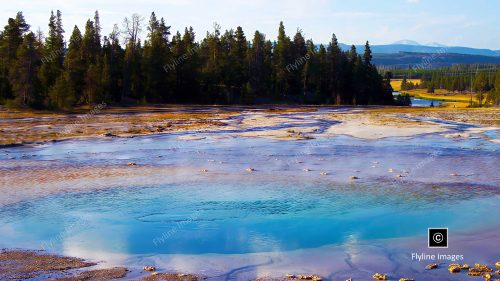
  • The Grand Prismatic Spring at Yellowstone National Park is an iconic natural wonder renowned for its stunning color spectrum and immense size. As the largest hot spring in the United States and the third-largest in the world, it measures approximately 370 feet in diameter and over 120 feet deep.
  • This captivating photo captures the essence of nature's beauty as a handsome coyote prowls beside the Lamar River in Yellowstone National Park. The coyote's piercing gaze and sleek physique reflect its innate hunting instincts, perfectly adapted to this remarkable ecosystem.